Understanding Smart Home Automation Basics
As technology continues to evolve, smart home automation has emerged as a valuable way to simplify everyday tasks. This article explores the fundamental aspects of smart home automation and how it can enhance convenience and efficiency in daily life.
Understanding the Basics
Smart home automation refers to the integration of various devices and systems within a home to enhance convenience, security, and energy efficiency. According to industry experts, automated systems typically allow users to control lighting, heating, security, and even appliances through centralized devices or mobile applications. The principle behind this is to create interconnected environments that respond to user preferences and routines.
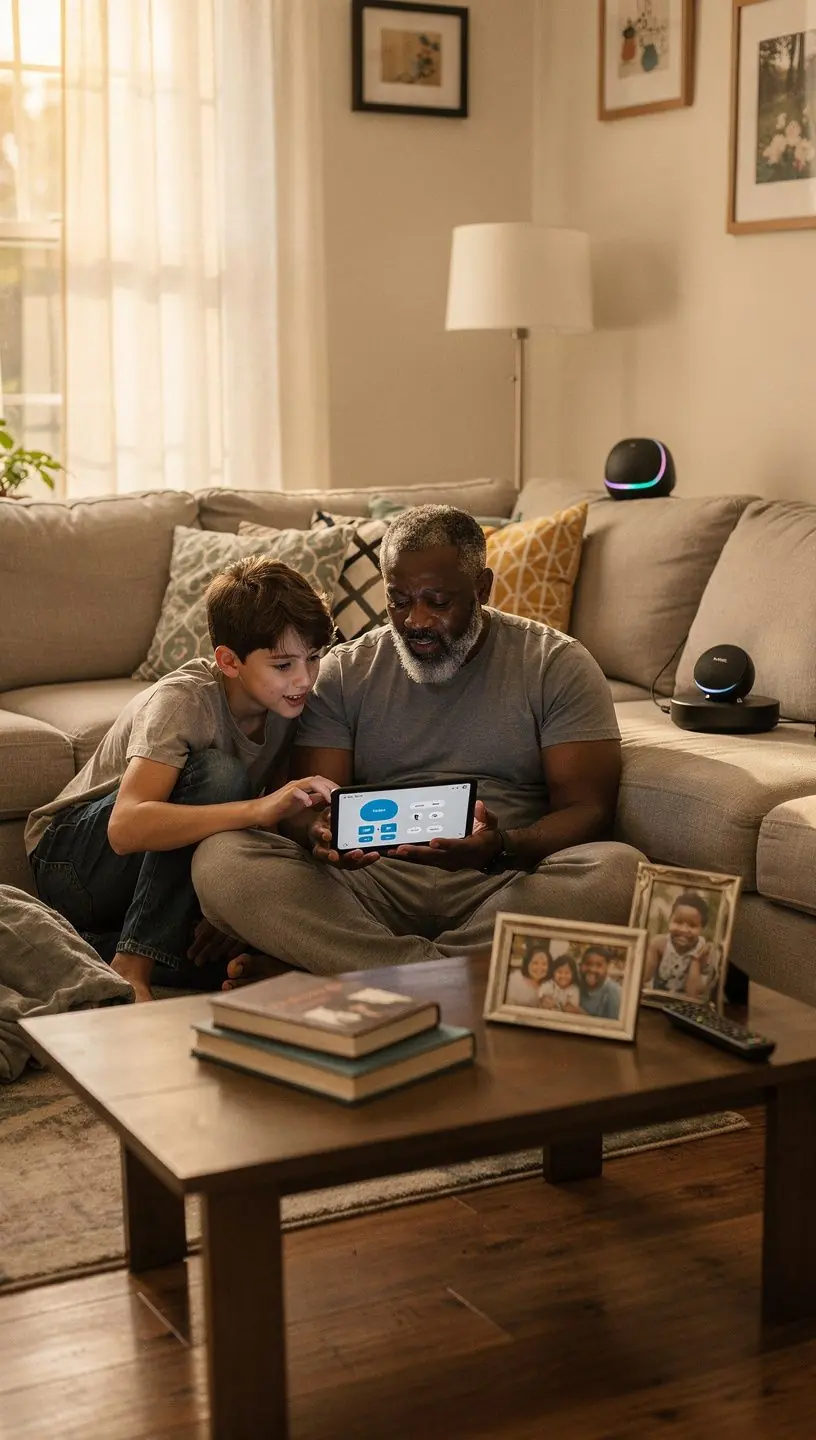
"Smart home technology can significantly improve the quality of life by allowing users to automate mundane tasks and enhance security measures." - Home Automation Industry Report
Key Components of Smart Home Systems
- Smart Hubs: These are central devices that connect different smart devices together. They enable communication between various components, which allows for unified control.
- Smart Sensors: These detect changes in the environment, such as motion or temperature. Many users report that incorporating sensors can lead to more efficient energy use, often reducing electricity bills.
- Smart Appliances: Devices like refrigerators, ovens, and washing machines that can be controlled remotely. Research indicates that smart appliances can save time, as users can monitor and control them from anywhere.
Practical Application of Smart Home Automation
Implementing smart home automation typically involves the following steps:
- Assess Your Needs: Identify which areas of your home could benefit from automation. This often includes security systems, lighting, and climate control.
- Research Compatible Devices: Look for devices that work well together and are compatible with your chosen smart hub. Many users find that selecting devices from the same brand simplifies integration.
- Installation and Setup: While some devices are easy to install, others may require professional assistance. It’s important to allocate time for setup and familiarization, as some systems may involve a learning curve.
Acknowledging Limitations
While smart home automation can provide numerous benefits, it is essential to acknowledge some limitations. For instance, the initial setup can require time and effort, and devices must be periodically updated to maintain security and functionality. Additionally, certain systems may not be ideal in homes without stable internet connections or in areas prone to power outages.
Conclusion
Smart home automation presents an effective way to streamline daily tasks, increase energy efficiency, and enhance home security. By understanding the components and practical applications of this technology, individuals can make informed decisions that align with their needs. It is advisable to start small, experiment with different configurations, and gradually expand the system as comfort with the technology grows.